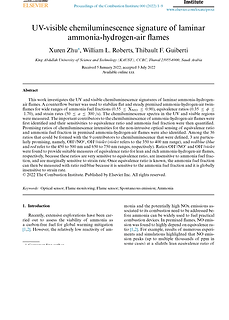
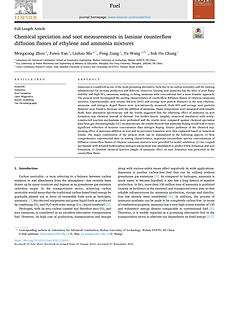
Hydrogen is a zero-carbon energy carrier widely regarded as a key component of the future clean energy system. It is central to China’s efforts to build a clean, low-carbon, safe and efficient energy system and achieve its carbon peaking and carbon neutrality goals. The Medium- and Long-Term Plan for the Development of the Hydrogen Energy Industry (2021–2035), jointly issued in 2022 by the National Development and Reform Commission and the National Energy Administration, defines hydrogen as an integral part of the future national energy system and a priority area for China’s strategic emerging industries.
The Laboratory of Low-Carbon Energy and Optical Sensing focuses on carbon-neutral energy technologies, with particular emphasis on hydrogen and ammonia–hydrogen energy. Our research encompasses the fundamentals of hydrogen energy and its applications in power and propulsion systems, clean power generation and advanced manufacturing. By integrating optical sensing and artificial intelligence, we aim to contribute to China’s carbon peaking and carbon neutrality goals.
The laboratory is home to more than 30 doctoral and master’s students. Our students have received National Scholarships, WUT Excellence Scholarships, Outstanding Graduate honors, and awards for excellent master’s and doctoral theses. Graduates pursue careers at leading universities—including The Chinese University of Hong Kong, The Hong Kong Polytechnic University and Shanghai Jiao Tong University—and major technology and automotive companies such as SMEE, UAES, Huawei and Dongfeng Motor, with broad career prospects in both academia and industry.

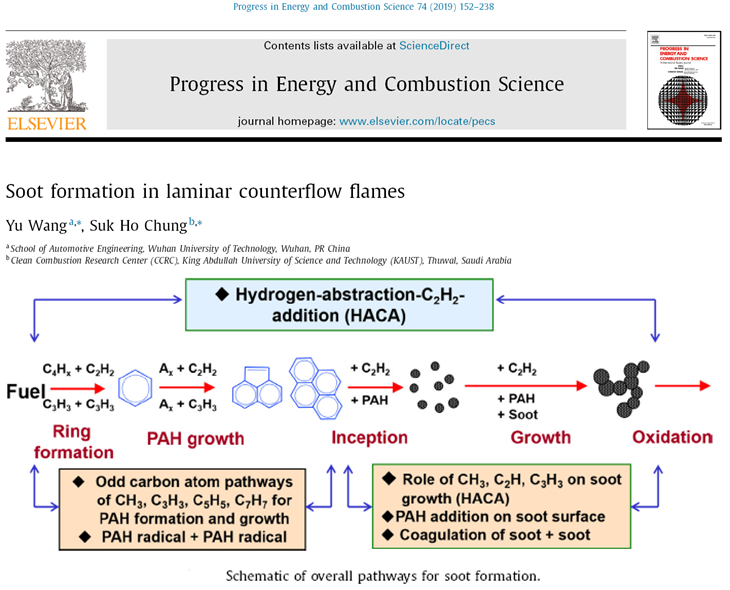 soot formation
 combustion diagnosis
 Advanced Laser Spectroscopy
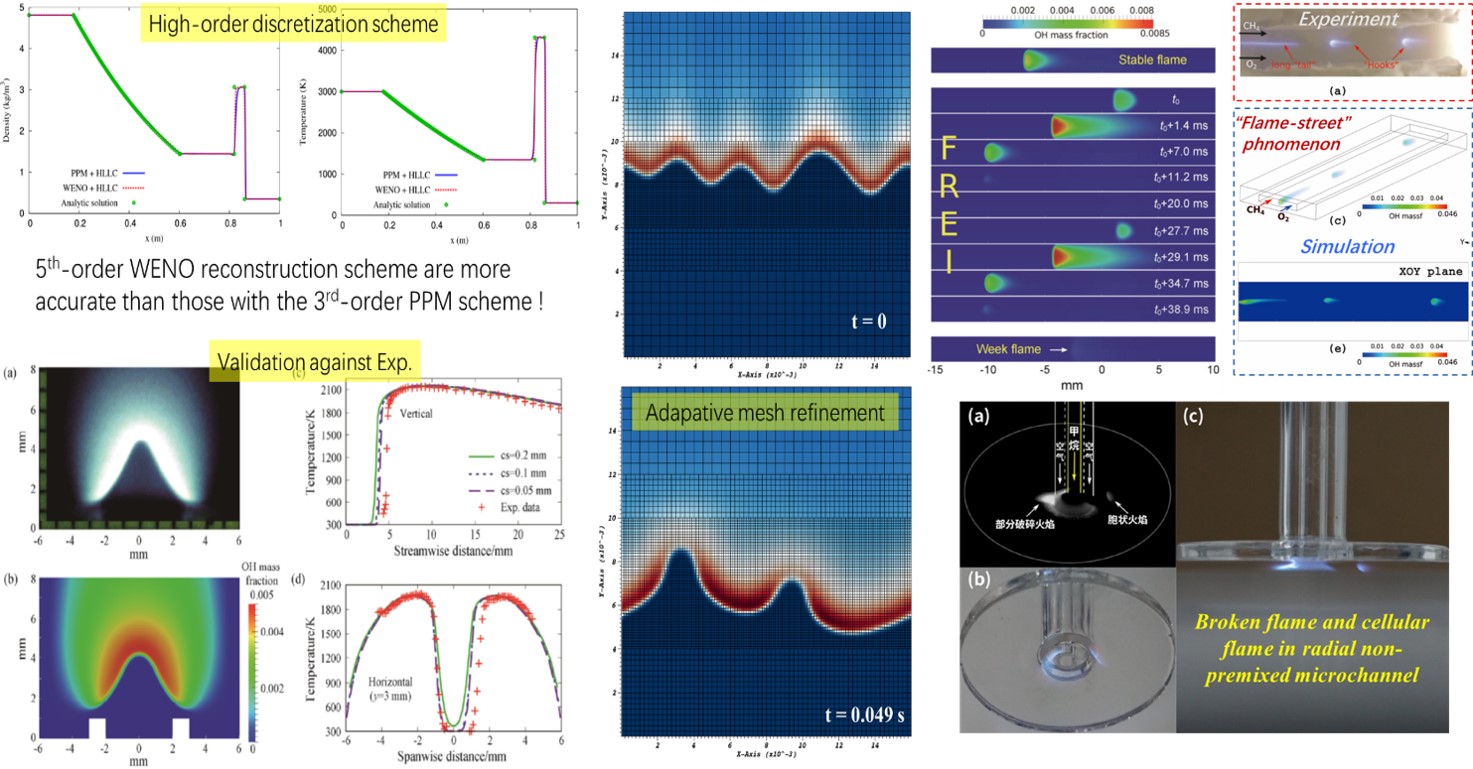 Microscale combustion and reaction flow simulation